

VoIP Solutions: A Friendly Guide to Modern Business Communication in 2026
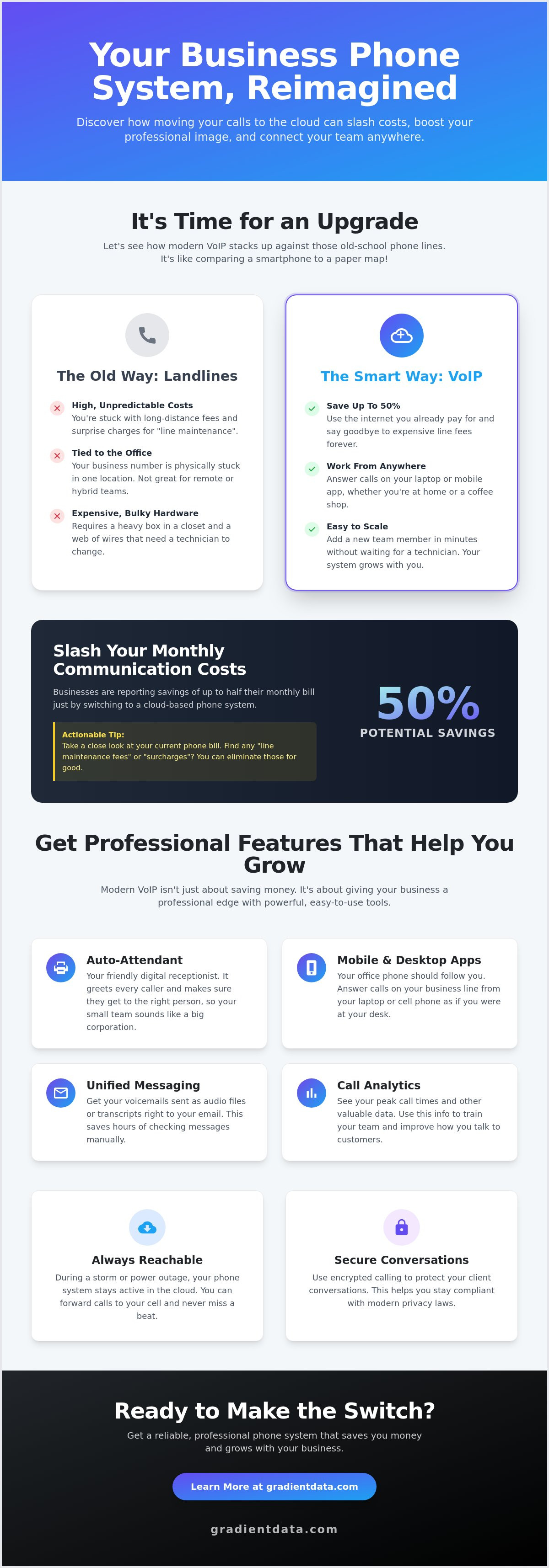
Did you know that businesses are reporting savings of up to 50% on their communication costs simply by moving away from traditional phone lines? It is a staggering figure, yet many teams still struggle with dropped calls during vital client meetings or high monthly bills that feel like a relic of the past. You likely believe that your phone system should just work, whether your team is at their desks or working from a coffee shop. We understand the frustration of trying to keep a remote team connected when your current hardware just cannot keep up with the demands of a modern office, and we are here to help you bridge that gap with modern voip solutions.
This guide will show you exactly how to leverage these tools to slash your overhead while providing a reliable connection on both laptops and mobile phones. We will walk you through the essential 2026 updates, including the latest FCC certification requirements and how AI is now a standard feature for call summaries and sentiment analysis. You will learn how to secure professional features like virtual receptionists and predictable monthly pricing that allows your business to scale with total confidence.
Key Takeaways
- Learn how to cut your monthly communication costs by up to half while making it easy for your team to work from anywhere.
- Discover how digital receptionists and mobile apps can give your business a professional edge without the need for expensive hardware.
- Find out why managed voip solutions are the secret to preventing dropped calls and keeping your connection stable even if the internet hiccups.
- See how to keep your business reachable during storms or power outages by using a phone system that stays active in the cloud.
- Get simple tips for using encrypted calling to protect your client conversations and stay compliant with modern privacy laws.
Understanding VoIP Solutions and Why They Beat Traditional Phones
Think of your current phone system like an old paper map, while modern Voice over Internet Protocol (VoIP) is the high-tech GPS on your smartphone. At its heart, VoIP is just a way to send your voice over the internet instead of using those old-fashioned copper wires that have been around for decades. It is a smarter, faster way to talk that fits perfectly into the way we work today.
This technology works by turning your voice into digital data packets. These packets travel across the web to reach the person on the other end in an instant. Because it relies on the internet you already pay for, you can finally say goodbye to those expensive long-distance fees and dedicated physical lines. Plus, you get the freedom to take your office number anywhere. Whether you are using a laptop in a home office or an app on your phone while traveling, you stay reachable without ever missing a beat.
To better understand this concept, watch this helpful video:
The Big Benefits for Growing Businesses
One of the best parts about using voip solutions is how easily they grow with you. If you hire a new team member, you can set up their extension in minutes. There is no need to wait for a technician to show up and drill holes in your walls. You also get to project a much more professional image with features like auto-attendants. This digital receptionist greets your callers and routes them to the right person, making your small team sound like a much larger, established corporation.
Actionable Tip: Take a close look at your current phone bill today. Look for "line maintenance fees" or "surcharges." These are often hidden costs for maintaining old physical infrastructure that you can eliminate immediately by switching to the cloud.
VoIP vs Landlines: The Friendly Comparison
The difference between these two systems is like comparing a bulky filing cabinet to a cloud drive. Traditional landlines require a heavy box in a closet and a web of wires. In contrast, voip solutions live entirely in the cloud. This means you don't need to be a tech wizard to keep things running. Maintenance is handled by the provider, and updates happen automatically. If you want to see how this translates to your budget, you can check out VoIP Monthly Service Fees to see how simple and predictable your pricing can be.
Choosing the Right Features for Your Business Workflow
Picking the right tools for your office is like tailoring a suit; it has to fit your specific movements and daily habits. While the FCC guide to VoIP provides a great baseline for technical standards, your daily workflow is where the real value lives. Modern voip solutions offer a suite of tools designed to make your business feel larger, more organized, and incredibly responsive to client needs.
- Auto-Attendants: Think of this as a friendly digital receptionist that greets every caller and routes them to the right person, ensuring no one gets lost in a phone tree.
- Mobile and Desktop Apps: Your office phone should follow you. Whether you are at your desk or at a coffee shop in Coral Gables, you can answer calls as if you were in the building.
- Unified Messaging: Getting your voicemails as emails can save you hours of checking messages manually. You can read a transcript and respond while sitting in a meeting.
- Call Recording and Analytics: These tools help you train your team and improve how you talk to customers by showing you peak call times and common questions.
Seamless Collaboration with Modern Tools
Your phone system shouldn't be an island. It works best when it integrates with tools you already use, such as your email or customer database. Many businesses are now linking these systems with Microsoft Teams features to create a single hub for all their work. This makes it easy to switch from a chat to a phone call with one click. If you want to see how this fits your office, you might consider looking into tailored voip solutions that match your existing software.
Actionable Tip: Make a list of your three most-used business apps today. Check if your new phone system can talk to them directly to automate your client notes.
Advanced Features That Sound Complicated but Are Not
You may hear technical terms like SIP Trunking, but don't let that intimidate you. It is simply a bridge between your old equipment and the new digital world. Other helpful features include video conferencing for high-quality face-to-face meetings and presence indicators. A presence indicator lets you see if a teammate is on a call or available before you try to transfer a customer to them, preventing frustrating blind transfers and keeping your client experience smooth.
The Managed Approach: Why Support Matters More Than Software
The biggest worry we hear from business owners is simple: what happens if my internet goes down? It is a fair question, especially when your entire phone system depends on that connection. Modern voip solutions handle this through a feature called failover. If your office loses power or the web goes dark, your calls are automatically routed to your team's mobile phones. You don't lose a single lead, and your clients never even know there was a hiccup.
Many businesses try the DIY approach by simply downloading an app or buying cheap headsets online. This often leads to echoey calls, jittery audio, or dropped connections because the underlying network isn't ready. A great phone system is only as good as the router and internet connection it runs on. Without proper setup, your voice data has to fight for space against every other email and video stream in your office.
Why Your Network Is the Secret Sauce
We often talk about something called Quality of Service, or QoS. Think of it like a dedicated fast lane on a busy highway specifically for your phone calls. While everyone else is stuck in the traffic of large file downloads or streaming, your voice data zips right through. Our Managed IT Services in Miami focus on configuring your hardware so your phones never have to compete with background noise for bandwidth.
Actionable Tip: Reach out to your current provider and ask if they prioritize voice traffic on your network. If they can't give you a clear answer, your call quality is likely at risk.
The Peace of Mind of a Managed Partnership
There is a massive difference between calling a 1-800 number for support and calling a local partner who has actually walked through your office. A managed partner understands your specific layout and how your team works. This is the core of business continuity, which is just a fancy way of saying your ability to keep working no matter what happens to your physical building. By integrating your phones into a total Managed IT plan, you ensure that every part of your technology works together in harmony.
If you are tired of dealing with dropped calls and want a system that stays up when others go down, you can explore our reliable voip solutions here.
Implementing VoIP in Miami: Stability and Local Support
Living and working in South Florida means we have to be ready for anything, especially during hurricane season. If your business relies on a physical phone box in a closet, a single power outage or flood can cut you off from your clients for days. Modern voip solutions change that dynamic entirely. Because the system lives in the cloud, your business stays reachable even if your physical Miami office has to close its doors. Your team can answer calls from a safe location, ensuring that your customer service never wavers when it matters most.
Beyond disaster recovery, having a local presence is about building trust. Using a 305 or 786 area code shows your neighborhood customers that you are part of the community. As we move through 2026, waiting to switch to modern voip solutions is simply costing you more in lost productivity and outdated technology. You need a system that offers the flexibility to remain agile in a fast-paced market while keeping your local identity strong.
Staying Compliant in Specialized Industries
For medical offices and financial firms, security isn't just a preference; it is a legal requirement. Our Compliance Services ensure that your phone system provides secure, recorded logs for audits and keeps sensitive data encrypted. If you work in healthcare, remember that HIPAA compliance is about more than just the software. It involves how the system is set up and managed to protect patient privacy.
Actionable Tip: If you are in healthcare or finance, ensure your VoIP provider will sign a Business Associate Agreement (BAA). This is a vital document that confirms they will handle your data with the specific care required by federal law.
Ready to Make the Switch?
Transitioning to a new system is easier than you might think. Start by auditing your current needs and testing your internet speed to ensure it can handle your voice traffic. Once you have a clear picture, pick a partner who understands the unique challenges of the Miami market. You can check out our guide on choosing a VoIP provider for more local tips and strategies.
Let us help you build a phone system that actually works for your Miami business.
Take the Next Step Toward Modern Communication
We have seen how moving your phone system to the cloud can slash your monthly bills while giving your team the freedom to work from any location. From providing a professional image with auto-attendants to ensuring your business stays reachable during a South Florida storm, the advantages are undeniable. Modern voip solutions are no longer a luxury reserved for large corporations. They are a vital tool for any growing business that wants to stay competitive and connected in 2026.
Our local Miami-based support team is here to ensure your transition is smooth and secure. We bring specialized expertise in HIPAA and financial compliance, ensuring your conversations stay private and meet all legal standards. By partnering with us, you get a phone system that integrates perfectly with your Managed IT and Cybersecurity for a total technology plan that just works. It's time to stop worrying about dropped calls and start focusing on your growth.
Upgrade your business communication with Gradient Data's VoIP solutions today!
You don't have to navigate these technical changes alone. We are ready to help you build a communication strategy that is as resilient and forward-thinking as your business itself. Take the first step toward a more reliable future today.
Frequently Asked Questions
Can I keep my current business phone number when I switch to VoIP?
Yes, you can definitely keep your current business phone number through a process called porting. We know your number is part of your brand identity, and we handle the transition so there is no downtime for your callers. You simply authorize the move, and your existing number is transferred over to your new voip solutions platform without any hassle.
What happens to my phone system if the office loses power or internet?
If your office loses power or the internet goes down, your phone system stays active in the cloud. You can set up automatic routing that sends calls directly to your team's mobile phones or a secondary location. This ensures you never miss a client call even during a local outage, which is a huge step up from old physical lines that just stop working when the wires are damaged.
Do I need to buy special new desk phones to use a VoIP solution?
You don't necessarily need to buy new desk phones to start using a modern phone system. Many businesses choose to use apps on their existing laptops and smartphones instead. If you prefer having a physical phone on your desk, you can either buy modern IP phones or use a small adapter to connect your old analog hardware to the new digital system.
Is the call quality on a VoIP system as good as a regular landline?
Call quality on modern voip solutions is often superior to a regular landline because it uses high-definition audio. For the best experience, your network needs to be configured to prioritize voice traffic. When your office network is set up correctly, your calls will sound crystal clear and won't suffer from the static or distance issues common with old copper wiring.
How much internet speed do I really need to support five or ten employees on the phone?
Most businesses only need about 100 Kbps of upload and download speed for each active call. For a team of ten employees, a basic high-speed internet connection is usually more than enough. The key isn't just the total speed but the stability of the connection. We recommend a business-grade fiber or cable line to ensure your system has the consistent bandwidth it needs to stay reliable.